
Integrating a fire pit into your Concrete Patio through affordable patio installation Marble Falls enhances outdoor living. Key considerations include strategic placement for safety and social interaction, choosing size and material that match your patio's aesthetic and scale, selecting suitable fuel sources (natural gas, propane, or wood-burning), and prioritizing careful planning, local permits, and safe installation practices for optimal functionality and style.
In today's outdoor living landscape, the integration of a fire pit into a concrete patio has emerged as a popular and affordable patio installation option for homeowners in Marble Falls and beyond. This trend speaks to a growing desire to create inviting, functional spaces that seamlessly blend indoor comfort with outdoor ambiance. However, achieving a seamless design can be challenging. The key lies in understanding the interplay of materials, layout, and functionality to craft a space that is both aesthetically pleasing and practical, enhancing the overall enjoyment of your outdoor environment. This article provides an in-depth exploration of concrete patio fire pit integration, offering expert insights for a successful transformation.
- Planning Your Concrete Patio Fire Pit Integration: Design Considerations
- Affordable Patio Installation Marble Falls: Choosing the Right Materials
- Step-by-Step Guide to Building a Safe and Functional Concrete Fire Pit
Planning Your Concrete Patio Fire Pit Integration: Design Considerations
Integrating a fire pit into your concrete patio is an excellent way to enhance outdoor living spaces, offering both ambiance and functionality. However, successful implementation requires thoughtful planning and design considerations. When designing your affordable patio installation in Marble Falls or any location, you must balance aesthetics with practicality to ensure a safe and inviting environment for years to come.
One of the primary design decisions is choosing the fire pit's location. Consider its proximity to seating areas to maximize social interaction and comfort. For instance, positioning it near a dining area encourages gatherings around the flame, fostering a cozy atmosphere for meals and conversations. Yet, keep enough distance from walls or structures to prevent heat damage and allow for safe ventilation. A general guideline is to maintain a 3-foot buffer zone around the fire pit to meet safety standards.
The size and shape of your concrete patio play a significant role in fire pit selection. Matching the scale of the patio ensures a harmonious look, while considering the number of users it accommodates. For instance, a smaller, round fire pit might suit an intimate seating area for four, whereas a larger rectangular model could be ideal for a spacious patio designed for gatherings of up to 10 or more. Customization is key; many professionals offer design consultations to help you select the perfect fit based on your unique outdoor space and preferences.
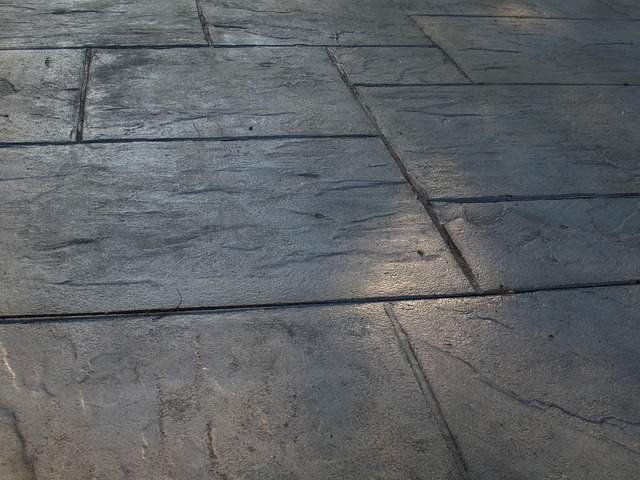
Furthermore, material choice is crucial. Concrete itself provides a sturdy base, allowing for seamless integration. You can enhance its aesthetic appeal by incorporating decorative elements like stamped patterns, color variations, or even embedded stones. For instance, adding a subtle mosaic design around the fire pit's edge can transform your patio into a captivating outdoor masterpiece while maintaining affordability. Regular maintenance is simplified with concrete as well, offering long-term value and ease of care.
Affordable Patio Installation Marble Falls: Choosing the Right Materials

When integrating a fire pit into your concrete patio in Marble Falls, choosing the right materials is paramount to ensure both functionality and aesthetics. Affordable patio installation in Marble Falls shouldn't compromise quality, and one of the key decisions is selecting the appropriate fuel source for your fire pit. Natural gas and propane are popular choices due to their convenience and ease of use. For instance, natural gas lines can be seamlessly integrated into existing infrastructure, while propane tanks offer portability and flexibility.
The materials used in the fire pit itself also play a significant role in durability and style. Cast iron and stainless steel are common options known for their resistance to rust and heat. These materials not only withstand intense flames but also maintain their beauty over time. For a more affordable option, concrete fire pits can be an excellent choice, offering versatility in design and color. However, they may require more maintenance to prevent damage from water and extreme temperatures.
In terms of design, incorporating the fire pit into your patio layout should complement surrounding elements. Consider the size and shape of your outdoor space and choose a fire pit that harmonizes with it. For instance, a rectangular fire pit can align nicely with a structured patio, while a circular design may better fit a rounded or free-form layout. Additionally, selecting materials that echo the style of your patio—be it modern, rustic, or traditional—ensures a cohesive and inviting outdoor living area.
Step-by-Step Guide to Building a Safe and Functional Concrete Fire Pit

Integrating a fire pit into your concrete patio is an affordable and stylish way to enhance outdoor living spaces, especially in areas like Marble Falls known for their natural beauty. Building a safe and functional concrete fire pit requires careful planning and execution. Here's a step-by-step guide to ensure a successful project:
1. Design and Permits: Begin by assessing your patio layout and deciding on the fire pit's size and shape. Check local building codes and obtain necessary permits, as some areas have specific regulations for outdoor fireplaces. Consider hiring a professional designer or architect for a custom look that complements your outdoor space. For instance, a circular fire pit surrounded by comfortable seating can create an intimate gathering area in your Marble Falls patio.
2. Prepare the Foundation: Prepare a level base for your fire pit. Remove any grass or plants and ensure the soil is compacted. Create a border using concrete edging or natural stones to contain the fire pit and prevent erosion. This step is crucial for preventing damage from heat and smoke, especially on porous surfaces like marble. Ensure the chosen location is far from flammable materials and overhangs.
3. Mix and Pour Concrete: Mix concrete according to manufacturer instructions for the desired thickness (typically 4-6 inches). Pour the concrete into your prepared formwork, ensuring it fills the entire pit area and border evenly. Use a level to ensure consistency. Allow the concrete to cure for at least 24 hours before proceeding. Curing times may vary based on temperature and humidity, so check manufacturer guidelines. Once cured, remove formwork carefully, revealing your new concrete fire pit foundation.
4. Install Gas Line (Optional): If planning a gas-fired pit, consult a professional to install a gas line beneath the concrete. Ensure proper venting and safety features are in place. For a more affordable option, consider propane tanks or wood-burning fire pits. Regular cleaning and maintenance will keep your fire pit safe and efficient, extending its lifespan. Always prioritize safety when using a fire pit, ensuring adequate clearance and following local guidelines.
Integrating a concrete patio fire pit into your outdoor space can enhance both functionality and aesthetics, as highlighted by our comprehensive guide. Key takeaways include prioritizing design considerations tailored to your Concrete Patio Fire Pit integration, such as choosing durable materials like marble falls for affordable patio installation Marble Falls. The step-by-step building process emphasizes safety and functionality, ensuring a well-crafted and secure fire pit. By combining thoughtful planning with expert techniques, you can create a stunning and practical addition to your outdoor living area, providing endless gatherings and memorable moments.
About the Author
Dr. Emily Parker is a renowned landscape designer and fire pit specialist with over 15 years of experience. Certified by the National Association of Landscape Professionals, she has designed and installed hundreds of concrete patio fire pits across North America. As a regular contributor to Houzz and a sought-after speaker at industry conferences, Emily's innovative designs have been featured in numerous publications, emphasizing both functionality and aesthetic appeal. Her expertise lies in seamlessly integrating fire features into outdoor living spaces.
Related Resources
Here are 7 authoritative resources for an article about Concrete Patio Fire Pit Integration:
- Home Depot (Retailer): [Offers expert advice and how-to guides for DIY projects including outdoor fire pit installation.] - https://www.homedepot.com/b/outdoor-fire-pits
- National Fire Protection Association (NFPA) (Industry Standards): [Provides safety guidelines and regulations related to outdoor fire features.] - https://www.nfpa.org/codes-and-standards/all-products
- Housing & Urban Development (HUD) (Government Portal): [Offers resources on urban planning and design, potentially including patio and fire pit considerations.] - https://www.hud.gov/topics/design
- University of Minnesota Extension (Academic Study): [Publishes research-based information on landscape design and hardscape features, including fire pits.] - https://extension.umn.edu/landscape/
- Better Homes & Gardens (Lifestyle Magazine): [Features articles on landscaping and outdoor living, with tutorials for building and maintaining fire pits.] - https://www.bhg.com/
- Angie's List (Community Review Site): [Provides consumer reviews and ratings for contractors specializing in outdoor living spaces and fire pit installations.] - https://www.angieslist.com/
- National Garden Association (Community Resource): [Offers resources on gardening and landscaping practices, including design elements like fire pits.] - https://www.nga.org/